
Signs Your Electrical Panel May Need Replacement
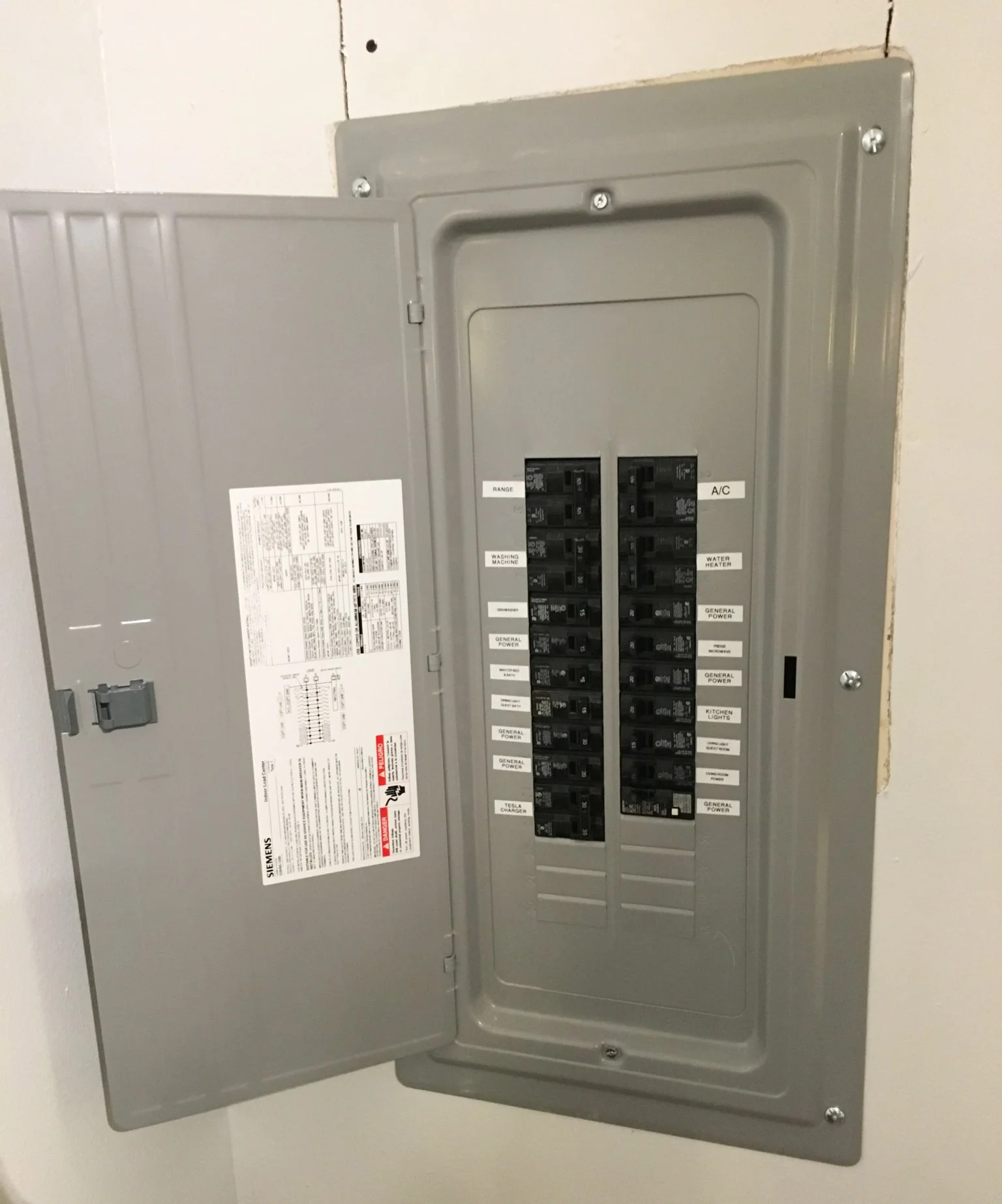
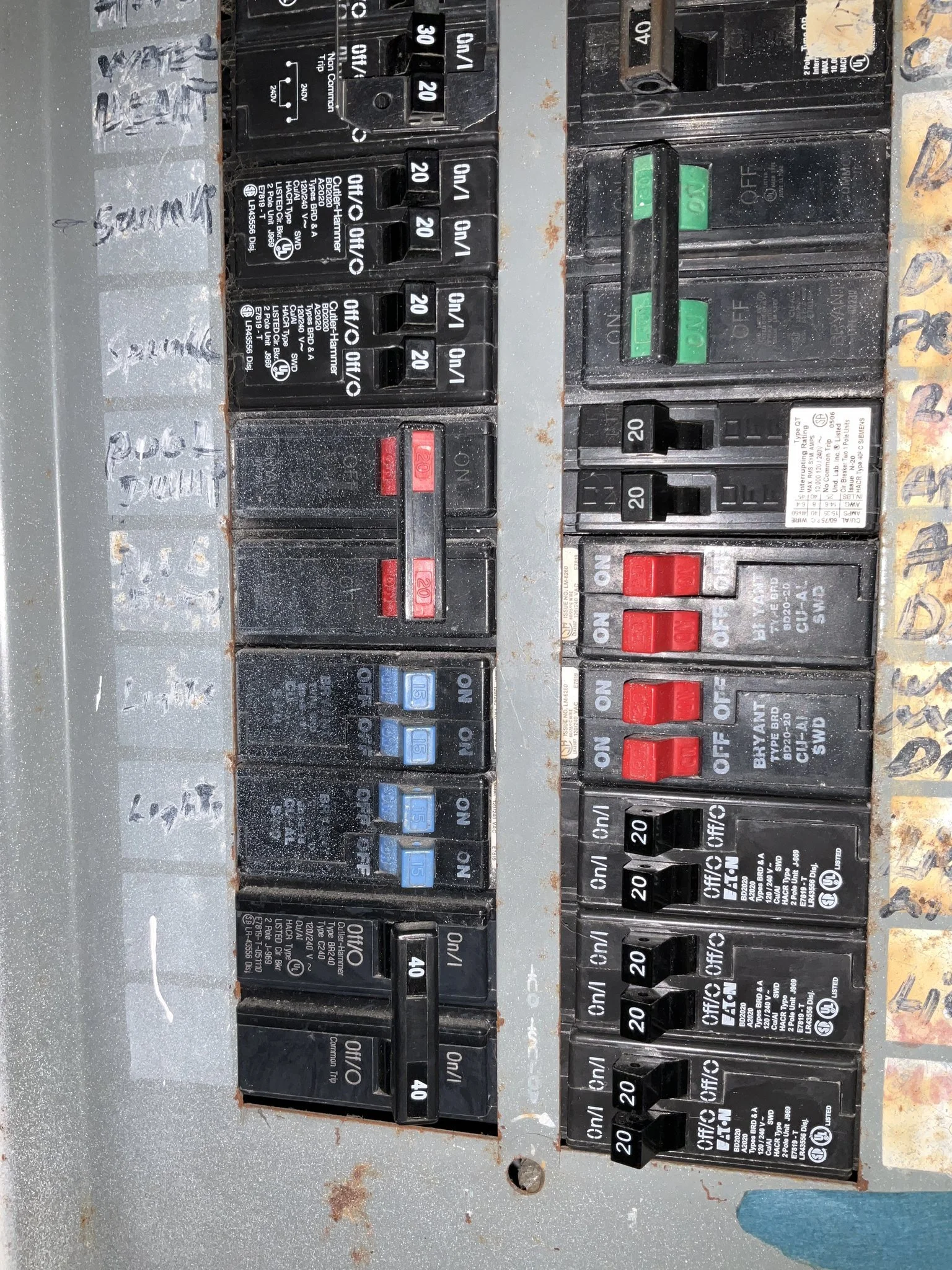
Your electrical panel is the heart of your home’s electrical system. It safely distributes power to every outlet, appliance, and device. But like anything else in your home, panels don’t last forever—and when they start to fail, they can become a serious safety hazard.
If you’re experiencing electrical issues or living in an older home, it’s important to recognize the warning signs before they turn into costly damage or dangerous conditions.
Here are the most common signs that your electrical panel may need to be replaced.
1. Your Breakers Keep Tripping
Occasional breaker trips are normal—they’re designed to protect your home. But if your breakers trip frequently, it may indicate that your panel is overloaded or struggling to keep up with your home’s electrical demand.
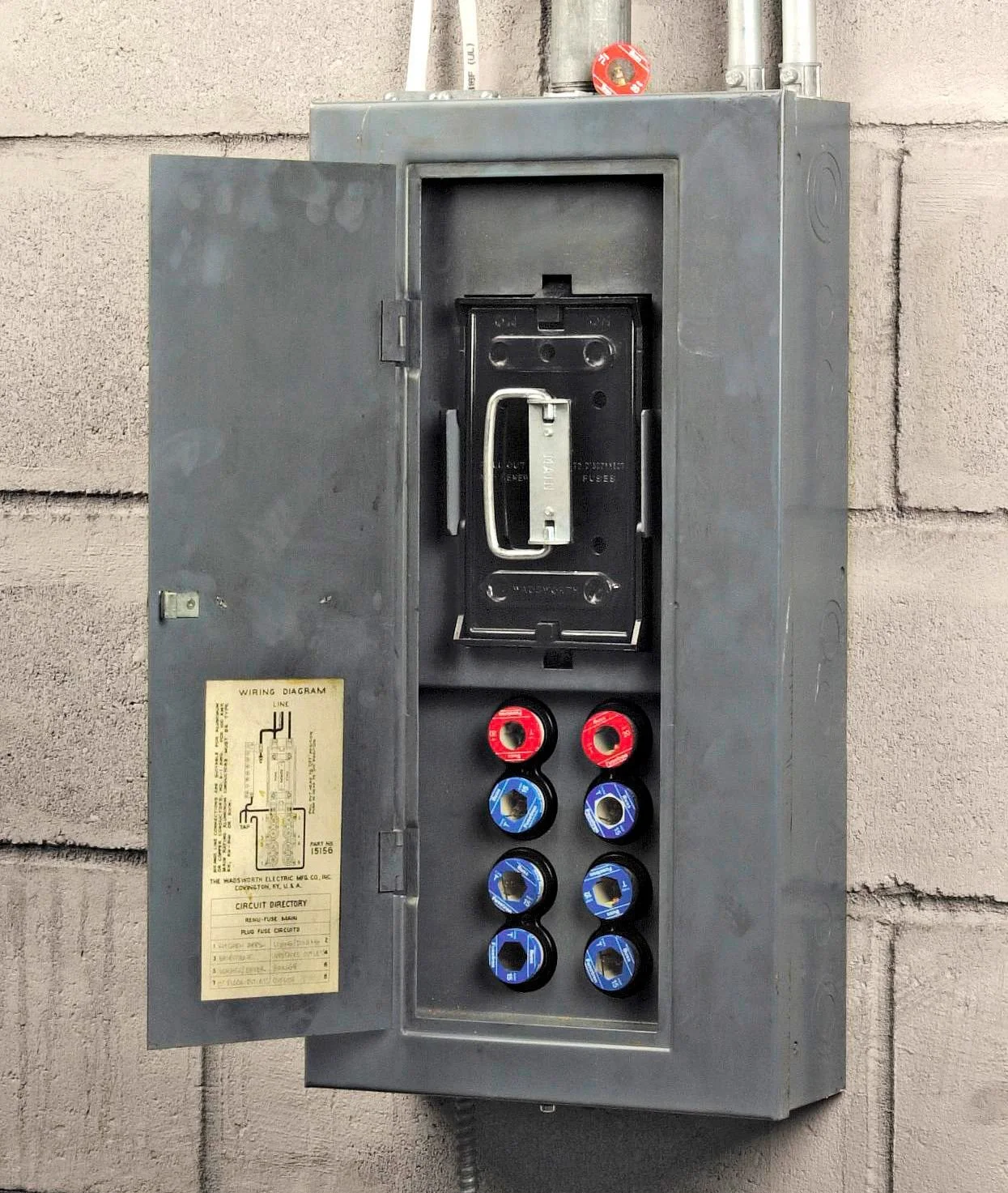
2. You Still Have a Fuse Box
Fuse boxes are outdated and no longer meet the needs of modern homes. If your home still uses fuses instead of circuit breakers, upgrading to a modern panel is strongly recommended for both safety and convenience.
3. Burning Smell or Scorch Marks
A burning smell near your panel or visible scorch marks are serious warning signs. This can indicate overheating, loose connections, or internal damage. If you notice this, the panel should be inspected immediately.
4. Lights Flicker or Dim
If your lights flicker when large appliances turn on—like your air conditioner—it may mean your panel is struggling to distribute power evenly.
5. Your Panel Feels Warm or Hot
Your electrical panel should never feel warm to the touch. Heat buildup is often a sign of loose connections or overloaded circuits, both of which can lead to failure or fire hazards.
6. You Have an Older or Outdated Panel Brand
Certain older panel brands have known safety concerns and may not provide reliable protection. If your panel is several decades old, it may not meet current safety standards or handle today’s electrical loads.
7. You’re Running Out of Breaker Space
If your panel is full and you need to add new circuits—for things like EV chargers, appliances, or home additions—it may be time to upgrade. Overcrowding a panel or using tandem breakers improperly can create safety issues.
8. You’re Planning Major Electrical Upgrades
If you’re installing high-demand equipment like an EV charger, tankless water heater, or new HVAC system, your existing panel may not have the capacity to handle the additional load safely.
9. You Hear Buzzing or Crackling Sounds
Your panel should operate silently. Any buzzing, crackling, or unusual noises may indicate loose wiring or arcing, which can be dangerous if not addressed quickly.
10. Your Home Has 100-Amp Service (or Less)
Many older homes were built with 100-amp service, which may not be sufficient for modern electrical demands. Today’s homes often require 150 to 200 amps to safely support appliances, electronics, and EV charging.
Why Panel Replacement Matters
Replacing your electrical panel isn’t just about fixing problems—it’s about improving safety, reliability, and future capacity.
A new panel can:
Reduce the risk of electrical fires
Improve overall system performance
Support modern appliances and technology
Increase your home’s value
Provide room for future upgrades
When to Call a Professional
If you notice any of these warning signs, it’s best to have your electrical system evaluated by a licensed electrician. A professional inspection can determine whether your panel needs repairs, upgrades, or full replacement.
For homeowners in South Florida, especially those in older homes, panel upgrades are one of the most common and important electrical improvements you can make.
Your electrical panel plays a critical role in keeping your home safe and powered. Ignoring early warning signs can lead to bigger issues down the road.
If your panel is outdated, overloaded, or showing signs of wear, upgrading now can help you avoid unexpected problems—and give you peace of mind knowing your home is protected.