
Do You Need a Panel Upgrade to Install an EV Charger?
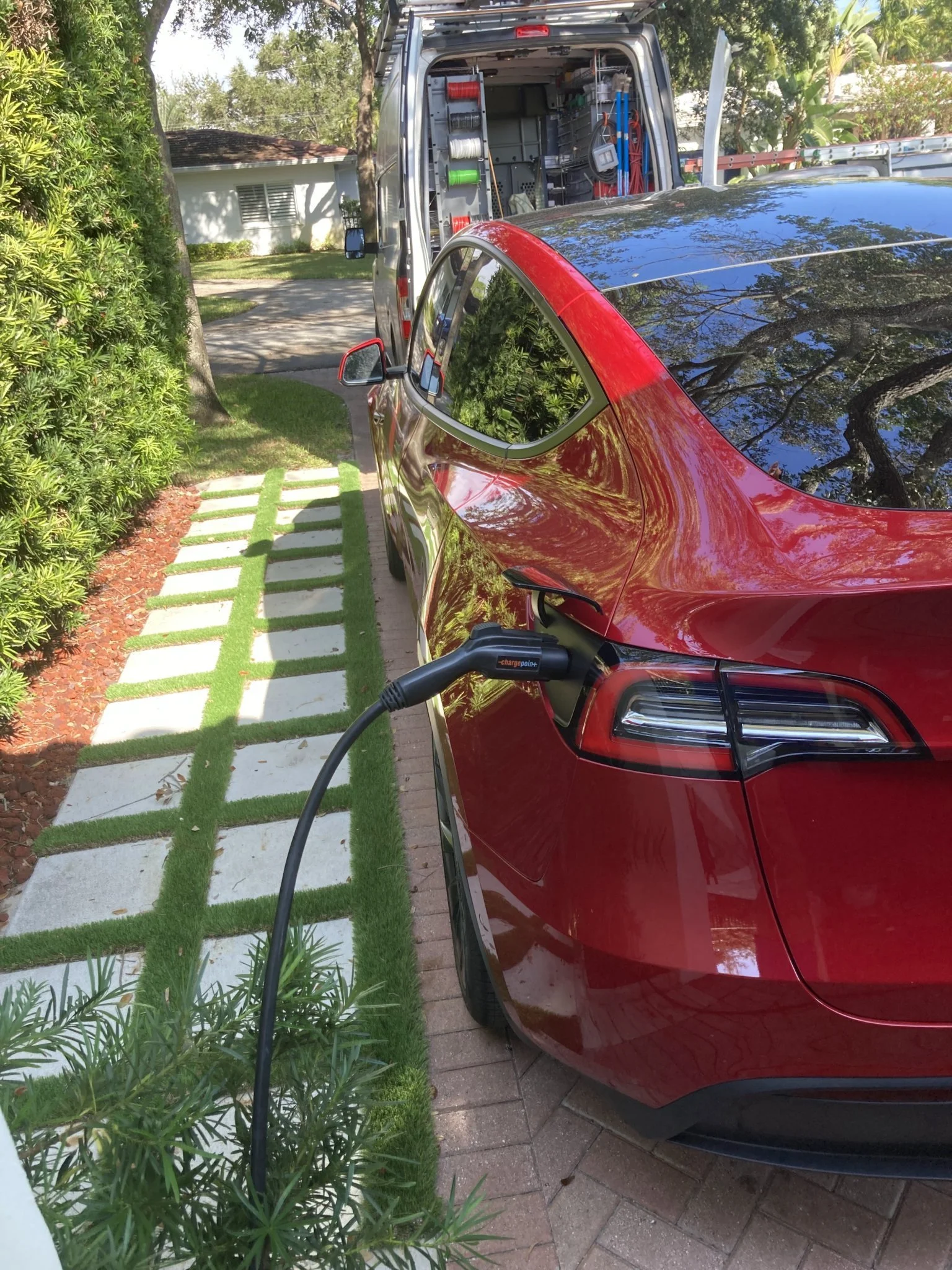
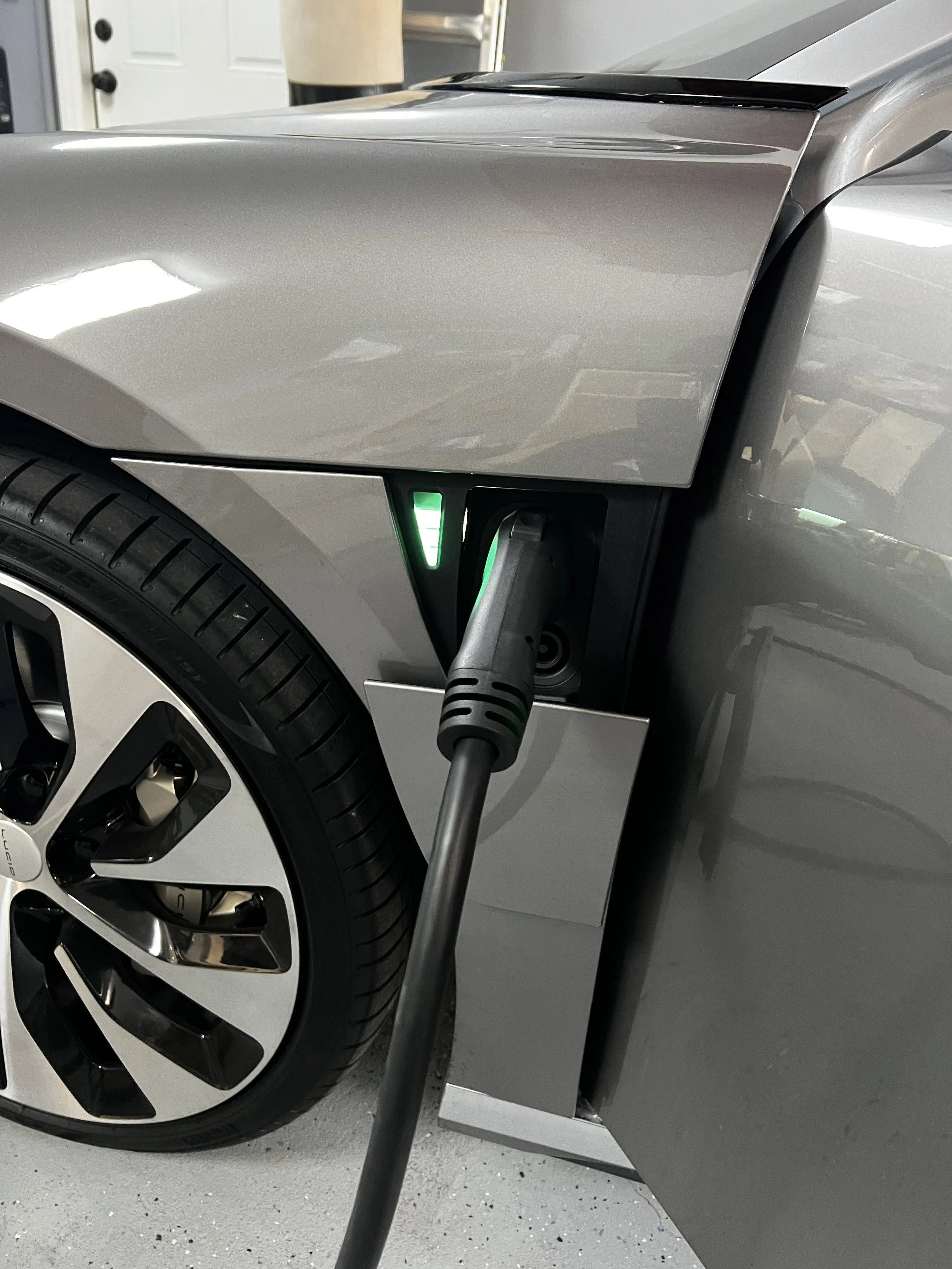

As electric vehicles become more common, many homeowners are looking to install a home charging station for convenience and faster charging. One of the most common questions homeowners ask before installing an EV charger is whether their existing electrical panel can handle the additional load. In many cases the answer depends on the size of the panel, the electrical demand of the home, and the charging equipment being installed.
Understanding how EV chargers interact with your home’s electrical system can help you determine whether a panel upgrade is necessary or if other solutions are available.
How Much Power Does an EV Charger Use?
Most home EV chargers operate on a 240-volt circuit, similar to an electric dryer or oven. The most common residential chargers require 40 to 60 amps of power, depending on the model and charging speed.
For example, many Level 2 chargers are installed on a 60-amp breaker, allowing them to deliver up to 48 amps of continuous charging power. Because EV charging is considered a continuous load, the National Electrical Code requires the circuit to be sized at 125% of the charging current.
This means a charger drawing 48 amps must be installed on a 60-amp circuit.
If your electrical panel does not have enough available capacity, adding this circuit may require a service or panel upgrade.
What Determines if Your Panel Has Enough Capacity?
An electrician will typically perform a load calculation based on the requirements of the National Electrical Code to determine whether your electrical panel can support the additional load of an EV charger.
Several factors are evaluated during this process:
• The size of your existing electrical service (100 amp, 150 amp, 200 amp, etc.)
• The current electrical demand of your home
• Major appliances such as air conditioning, ovens, dryers, and water heaters
• Available breaker space inside the panel
• Future electrical needs
In many older homes with 100-amp electrical service, installing a Level 2 charger may push the electrical system beyond its safe operating capacity.
Homes with 200-amp service often have enough capacity, but this still depends on how much electrical demand the home already has.
When a Panel Upgrade Is Necessary
A panel upgrade may be required if:
• The existing panel does not have enough capacity for the additional load
• The panel is outdated or no longer meets current safety standards
• There is no available breaker space for a new circuit
• The existing electrical service is undersized
Upgrading the panel ensures the electrical system can safely handle the increased demand and provides room for future electrical upgrades.
Many homeowners choose to upgrade to 200-amp service, which is now considered the standard for modern homes with electric appliances, EV chargers, and other high-demand equipment.
Alternatives to a Panel Upgrade
In some situations, homeowners can avoid a full panel upgrade by using an energy management system.
These systems monitor the electrical load in your panel and temporarily reduce or pause EV charging when the home is using significant power. When the electrical demand decreases, charging resumes automatically.
Load management devices allow homeowners to install EV chargers even when their electrical panel is near capacity.
This solution can often save thousands of dollars compared to upgrading the entire electrical service.
Why Professional Installation Matters
Installing an EV charger involves more than simply running a wire to the garage. Proper installation requires:
• Load calculations
• Correct breaker sizing
• Proper wire sizing and voltage drop considerations
• Grounding and bonding verification
• Compliance with current electrical codes
Professional installation ensures the system operates safely and efficiently while meeting local building regulations.
The Best Way to Know for Sure
Every home is different. The most reliable way to determine whether your electrical panel needs to be upgraded is to have a qualified electrician evaluate your electrical system and perform a load calculation.
A professional assessment can identify whether your panel has sufficient capacity, whether load management equipment can be used, or whether a service upgrade is the safest long-term solution.
As electric vehicles continue to grow in popularity, preparing your home’s electrical system now can make charging convenient, efficient, and ready for the future.
CONTACT US TODAY FOR A FREE ESTIMATE: